
Grains for diabetics: a complete guide to choosing the best grains
Grains can absolutely be part of a healthy, balanced diet for people with diabetes. While some grains can raise blood sugar more quickly than others, choosing whole, minimally processed grains and eating appropriate portions allows them to fit comfortably into a diabetes-friendly eating pattern. Whole grains provide fibre, vitamins, minerals and other essential nutrients that support overall health while helping you feel satisfied after meals.
This guide explains how different grains can fit into a diabetes-friendly eating pattern. It covers the best grains to choose more often, refined grains that may be worth limiting, appropriate portions and practical ways to prepare grain-based meals.
For a broader overview of healthy eating with diabetes, explore our What can a diabetic eat? guide and our comprehensive Diabetic food guide, which bring together practical advice and detailed food guides to help you build a balanced, sustainable way of eating.
Explore our diabetes food guides
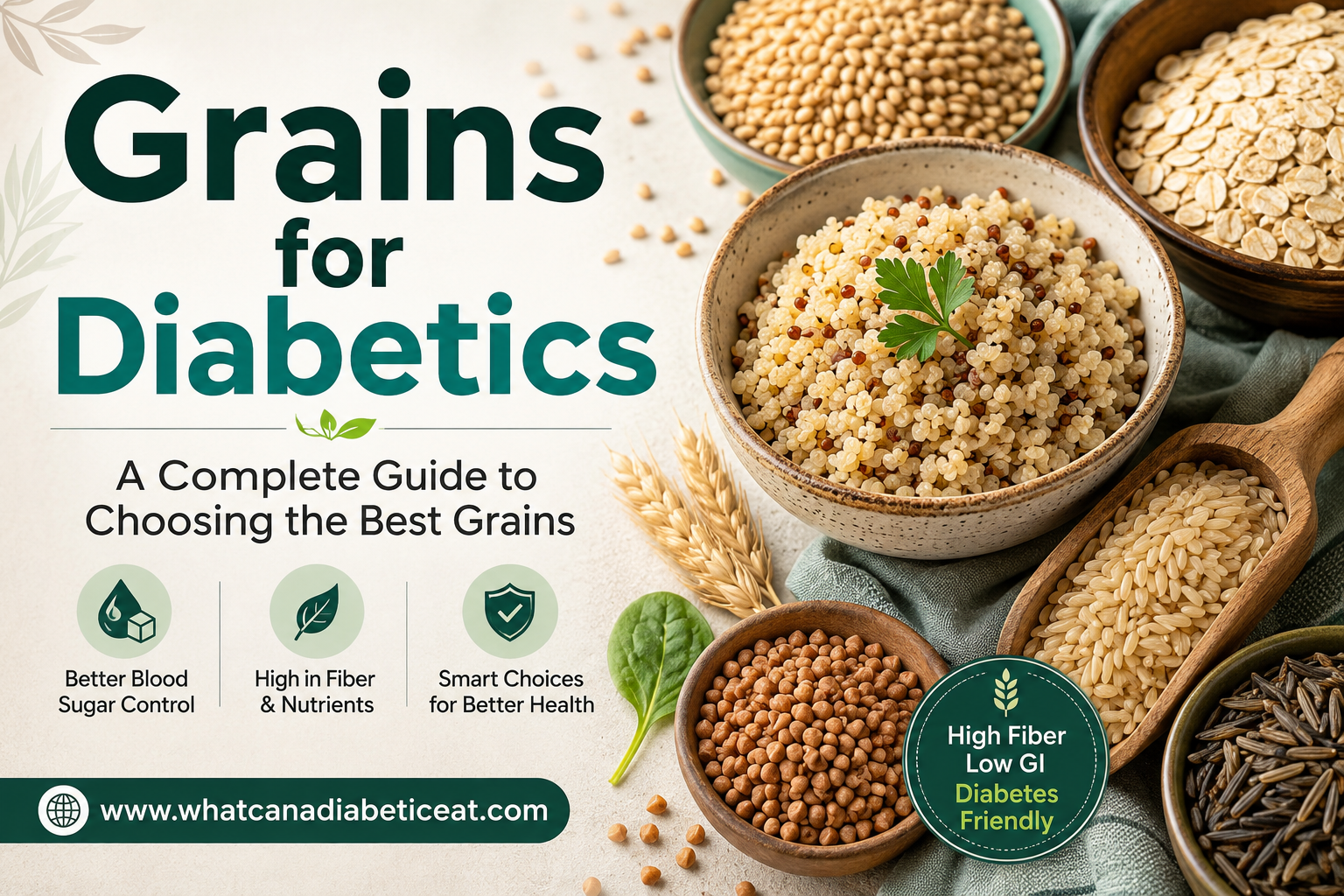
Choose the best grains for diabetics with confidence, from fibre-rich whole grains to smarter everyday choices that help support healthy blood sugar levels.
What are the best grains for diabetics?
The best grains for diabetics are whole, minimally processed grains that are naturally rich in fibre, vitamins, minerals and other beneficial plant compounds. Compared with refined grains, they are digested more slowly, helping to support healthy blood glucose management and keeping you feeling fuller for longer.
There is no single “best” grain for everyone. The healthiest choice depends on the type of grain, how it is prepared, the portion size and what you eat alongside it. In general, grains with a lower glycaemic index (GI) and a higher fibre content are better choices because they produce a slower rise in blood sugar after meals.
Grains can still form part of a healthy diabetes-friendly diet when enjoyed in appropriate portions and combined with lean protein, healthy fats and plenty of vegetables. Rather than avoiding carbohydrates altogether, most people with diabetes benefit from choosing higher-quality carbohydrate sources and building well-balanced meals.
The table below compares some of the most popular whole grains based on their approximate glycaemic index, fibre content and the reasons they are considered good choices for blood glucose management.
Healthy grains at a glance
| Grain | Approximate GI | Fibre (per 100 g cooked) | Why it's a good choice |
|---|---|---|---|
| Barley | 28–35 (Low) | ~3.8 g | Rich in beta-glucan fibre, helping to slow digestion and support healthy blood sugar levels. |
| Bulgur wheat | ~46 (Low) | ~4.5 g | Minimally processed whole wheat with a low GI and naturally high fibre content. |
| Steel-cut oats | ~52 (Low) | ~2.5 g | Contains beta-glucan, which helps slow carbohydrate absorption and supports steadier blood sugar levels. |
| Quinoa | ~53 (Low–Medium) | ~2.8 g | Provides fibre and complete protein, making meals more satisfying and balanced. |
| Buckwheat | ~54 (Low–Medium) | ~2.7 g | Naturally gluten-free and rich in beneficial plant compounds. |
| Wild rice | ~54 (Low–Medium) | ~1.8 g | Higher in protein and fibre than most white rice varieties. |
| Brown rice | ~68 (Medium) | ~1.8 g | Retains the bran and germ, making it a better choice than refined white rice. |
To learn more about planning a balanced eating pattern, explore our Best diabetic diet, Food choices for diabetics and comprehensive Diabetic food guide. For individual grain guides, you’ll also find detailed advice throughout this article.
Why grains matter in a diabetes-friendly diet
Grains provide carbohydrates, which the body breaks down into glucose for energy. Although carbohydrates directly affect blood sugar levels, this does not mean that people with diabetes need to avoid grains altogether. The type of grain, degree of processing, portion size and overall balance of the meal all influence how quickly blood sugar rises after eating.
Whole and minimally processed grains contain more fibre than refined grains because they retain more of the bran, germ and other natural parts of the grain. Fibre slows digestion, supports digestive health and can help meals feel more satisfying. Whole grains also provide vitamins, minerals and beneficial plant compounds that are often reduced or removed during refining.
Choosing healthy grains for type 2 diabetes can therefore improve the overall quality of the diet. Options such as barley, oats, quinoa, bulgur wheat, buckwheat and brown rice generally provide more fibre and nutrients than white bread, refined cereals and other highly processed grain foods. However, even nutritious whole grains contain carbohydrates, so appropriate portions remain important.
Grains generally have the most favourable effect on blood sugar when they form part of a balanced meal rather than being eaten alone. Combining a moderate portion of whole grains with vegetables, protein and healthy fats can slow digestion, improve fullness and help produce a steadier rise in blood sugar.
A healthy diabetes eating pattern should consider the complete meal rather than judging one ingredient in isolation. Our Best diabetic diet guide explains how grains can fit into a balanced eating plan, while Food choices for diabetics provides practical guidance for choosing healthier foods across all the main food groups.
What makes a grain better for blood sugar?
Not all grains affect blood sugar in the same way. While all grains contain carbohydrates, some are digested much more slowly than others, resulting in a steadier rise in blood sugar after meals. Understanding what makes a grain a healthier choice can help you select low glycemic index grains that fit more comfortably into a diabetes-friendly eating pattern.
Several factors determine how a grain affects blood sugar.
Glycaemic index (GI)
The glycaemic index (GI) measures how quickly a carbohydrate-containing food raises blood sugar compared with pure glucose. Foods are generally classified as:
- Low GI: 55 or less
- Medium GI: 56 to 69
- High GI: 70 or above
Lower GI grains are digested and absorbed more slowly, helping to reduce sharp rises in blood sugar after eating. Examples include barley, steel-cut oats, bulgur wheat and quinoa.
Fibre content
Fibre is one of the most important reasons whole grains are healthier than refined grains. Soluble fibre absorbs water to form a gel-like substance in the digestive tract, slowing the digestion and absorption of carbohydrates. Insoluble fibre supports digestive health and contributes to fullness after meals.
Grains that naturally contain more fibre generally have a gentler effect on blood sugar and help keep you satisfied for longer.
Degree of processing
The more a grain is processed, the faster it is usually digested.
For example:
- Whole barley is digested more slowly than pearl barley.
- Steel-cut oats have a lower impact on blood sugar than instant oats.
- Brown rice generally raises blood sugar more gradually than white rice because it retains its bran and germ.
Choosing whole or minimally processed grains whenever possible is one of the simplest ways to improve the nutritional quality of your meals.
Portion size still matters
Even the healthiest whole grains contain carbohydrates. Eating large portions can still lead to significant increases in blood sugar. Appropriate portion sizes, together with nutritious meals that include vegetables, lean protein and healthy fats, are just as important as choosing the right type of grain.
The complete meal makes the difference
Rather than focusing on one food in isolation, consider the entire meal. Pairing grains with foods rich in protein, healthy fats and fibre slows digestion and often produces a steadier blood sugar response than eating grains on their own.
Leading diabetes organisations, including Diabetes UK, the American Diabetes Association (ADA), the International Diabetes Federation (IDF) and Diabetes Canada, all recommend choosing whole, high-fibre grains in place of refined grains as part of an overall healthy eating pattern for people with diabetes. Their guidance also emphasises portion control, a balanced eating pattern and individualising food choices to suit personal health needs.
Best whole grains for diabetics
Whole grains are generally the best choice for people with diabetes because they retain the bran, germ and endosperm, providing more fibre, vitamins, minerals and beneficial plant compounds than refined grains. This combination slows digestion, helps you feel fuller for longer and often produces a steadier rise in blood sugar after meals.
The best whole grains for diabetes are those that are minimally processed, naturally high in fibre and enjoyed in sensible portions as part of balanced meals. No single grain is perfect for everyone, but including a variety of whole grains can improve both nutrition and meal enjoyment while supporting healthy blood sugar management.
Below are some of the healthiest whole grains to include in a diabetes-friendly diet.
Oats
Oats are among the most researched grains for people with diabetes. They are rich in a soluble fibre called beta-glucan, which forms a gel during digestion and slows the absorption of carbohydrates. This helps produce a more gradual rise in blood sugar while also promoting fullness.
Many people worry about an oatmeal blood sugar spike, but the type of oats you choose makes a significant difference. Steel-cut oats and traditional rolled oats generally have a lower glycaemic impact than instant oats, which are more heavily processed and digest more quickly. Flavoured instant oat sachets may also contain added sugars that further increase their effect on blood sugar.
For the best results, enjoy oats with protein and healthy fats such as Greek yoghurt, nuts or seeds rather than eating them on their own.
Read more in our detailed guides: Can a diabetic eat porridge? and Can a diabetic eat overnight oats?
Barley
If you’re wondering is barley good for diabetics?, the answer is generally yes. In fact, barley is often considered one of the best grains for blood glucose management because it has one of the lowest glycaemic index values of all commonly eaten grains.
Barley is particularly rich in beta-glucan fibre, which slows digestion and helps moderate the rise in blood sugar after meals. It is also filling, versatile and works well in soups, salads, stews and grain bowls.
Hulled barley is the least processed form and retains the greatest nutritional value, while pearl barley remains a nutritious choice despite having some of the outer bran removed.
Learn more in Can a diabetic eat barley?
Quinoa
Many people ask, can diabetics eat quinoa? Absolutely. Although quinoa is technically a seed, it is cooked and eaten like a grain and is one of the most nutritious carbohydrate foods available.
Quinoa provides fibre, complex carbohydrates and all nine essential amino acids, making it a complete protein. This combination helps create satisfying meals that support steadier blood sugar levels.
Its mild flavour and versatility make quinoa an excellent alternative to white rice in salads, grain bowls and hot meals.
Find out more in Can a diabetic eat quinoa?
Buckwheat
Despite its name, buckwheat is not related to wheat and is naturally gluten-free. If you’re asking is buckwheat good for diabetics?, it can certainly be a healthy addition to a balanced diabetes-friendly diet.
Buckwheat contains fibre, magnesium and beneficial plant compounds, including D-chiro-inositol, which has been studied for its potential role in supporting insulin sensitivity. While no single food can control diabetes, buckwheat offers a nutritious alternative to many refined grains.
Buckwheat can be enjoyed as whole groats, flour or noodles, although it’s important to choose products with minimal added refined flour.
Read more in Can a diabetic eat buckwheat?
Bulgur wheat
Bulgur wheat is made by steaming, drying and cracking whole wheat kernels. Because it undergoes only minimal processing, it retains much of its natural fibre and nutrients while remaining quick and convenient to prepare.
Its relatively low glycaemic index and high fibre content make bulgur wheat a healthier alternative to many refined grain products. It is commonly used in salads, pilafs and Mediterranean dishes, where it pairs well with vegetables, legumes and lean protein.
Discover more in Can a diabetic eat bulgur wheat?
Millet
Millet is an ancient whole grain that provides fibre, antioxidants and a range of important minerals. It is naturally gluten-free and can be used in place of rice or couscous in many meals.
Although millet contains carbohydrates like all grains, enjoying moderate portions alongside vegetables, protein and healthy fats can help produce a steadier blood sugar response than eating it on its own.
Including millet as part of a varied diet allows you to enjoy different flavours and nutrients while avoiding reliance on a single grain.
Learn more in Can a diabetic eat millet?
Rye
Rye is another excellent whole grain for people with diabetes, particularly when eaten as wholegrain rye bread or intact rye kernels. Compared with many refined wheat products, whole rye often produces a lower insulin response and helps promote fullness after meals.
When buying rye bread, check the ingredient list carefully. Many commercial products labelled “rye bread” are made primarily from refined wheat flour with only a small amount of rye added. Choosing products made from wholegrain rye provides the greatest nutritional benefits.
Find out more in Can a diabetic eat rye?
Whole grains can play an important role in a healthy diabetes-friendly diet when chosen wisely and eaten in appropriate portions. While oats, barley, quinoa, buckwheat, bulgur wheat, millet and rye each offer unique nutritional benefits, the healthiest approach is to enjoy a variety of whole grains within an overall healthy eating pattern rather than relying on any single food. The next section explores one of the most common questions people ask about diabetes, how different types of rice affect blood sugar and which varieties are the better choices.
Wheat and diabetes
Wheat is one of the world’s most widely consumed grains and is used to make a wide variety of everyday foods. Like other grains, wheat can be part of a healthy diabetes-friendly diet, but the degree of processing makes an important difference. Whole wheat retains the bran, germ and endosperm, providing more fibre and nutrients than refined wheat flour, which is digested more quickly and may raise blood sugar faster.
The following sections explore some of the most common forms of wheat and explain how they fit into a balanced eating pattern for people with diabetes.
Whole wheat
Whole wheat retains all three parts of the grain: the bran, germ and endosperm. Because it is less processed than refined wheat flour, it naturally contains more fibre, vitamins, minerals and beneficial plant compounds. The extra fibre helps slow digestion and often produces a steadier rise in blood sugar, making whole wheat a better everyday choice for many people with diabetes.
Whole wheat can be enjoyed in many forms, including whole wheat berries, cracked wheat and foods made with whole wheat flour. While it generally has a lower impact on blood sugar than refined wheat products, portion size and the overall balance of the meal remain just as important.
Please learn more from Can a diabetic eat whole wheat?
Cracked wheat and bulgur wheat
Cracked wheat and bulgur wheat are both made from whole wheat kernels but are processed differently. Cracked wheat is simply broken into smaller pieces, while bulgur wheat is steamed, dried and then cracked. Both retain much of their natural fibre and nutrients, making them healthier choices than many refined grain products.
Their fibre content and relatively low glycaemic index help slow digestion and support steadier blood sugar levels. They are versatile ingredients that work well in salads, soups, pilafs and grain bowls, especially when combined with vegetables, legumes and lean protein.
Read more in Can a diabetic eat bulgur wheat?
Durum wheat
Durum wheat is a hard variety of wheat commonly used to make semolina, couscous and traditional pasta. Although it is naturally nutritious, the way it is processed and the foods made from it can influence its effect on blood sugar.
Whole grain products made from durum wheat generally provide more fibre than refined versions and are usually the healthier choice. When eating foods such as pasta or couscous, sensible portion sizes and balanced meals that include vegetables and protein remain the most important considerations.
For detailed guidance, explore Can a diabetic eat pasta? and Can a diabetic eat couscous?
Whole wheat and other minimally processed forms of wheat generally provide more fibre and nutrients than refined wheat products, making them better everyday choices for many people with diabetes. Rather than avoiding wheat altogether, focus on choosing less processed varieties, keeping portions sensible and enjoying wheat alongside other nutritious foods.
Rice and diabetes
Rice is one of the world’s most widely eaten staple foods, so it’s no surprise that one of the most common questions people ask is, can diabetics eat rice? The good news is yes. Having diabetes does not mean you need to eliminate rice from your diet, but the type of rice you choose, the portion you eat and how you prepare it can make a significant difference to your blood sugar response.
Different varieties of rice vary considerably in their fibre content, glycaemic index (GI) and nutritional value. Whole grain varieties generally digest more slowly than refined white rice because they retain their fibre-rich bran and nutrient-dense germ. However, even healthier rice varieties contain carbohydrates, so portion control remains an important part of diabetes management.
Preparing rice as part of a balanced meal with vegetables, lean protein and healthy fats can also help produce a steadier rise in blood sugar than eating rice on its own.
The following sections compare the most popular types of rice and explain which choices are generally better for people with diabetes.
Brown rice vs white rice: Which is better?
When comparing brown rice vs white rice for diabetes, brown rice is generally the healthier choice. Brown rice retains its bran and germ, providing more fibre, vitamins and minerals than white rice, which has been milled and polished to remove these nutritious outer layers.
The additional fibre in brown rice slows digestion and helps produce a more gradual rise in blood sugar after meals. White rice, by contrast, is digested more quickly and typically has a higher glycaemic index, meaning it can raise blood sugar more rapidly, especially when eaten in large portions.
That said, brown rice is not a “free food.” It still contains carbohydrates and should be eaten in appropriate portions as part of a balanced meal. For some people, a moderate serving of white rice enjoyed occasionally alongside vegetables, lean protein and healthy fats can still fit into a healthy diabetes-friendly eating pattern.
Learn more in our detailed guides Can a diabetic eat white rice? and Can a diabetic eat brown rice?
Basmati rice
Many people searching for basmati rice diabetes advice are pleased to learn that basmati rice can be a better choice than many other white rice varieties. Traditional basmati rice has a lower glycaemic index than standard short grain white rice because its long grains and starch structure digest more slowly.
Wholegrain brown basmati offers even greater benefits by combining the naturally lower glycaemic response of basmati with the additional fibre found in whole grain rice.
Regardless of the variety you choose, portion size and meal composition remain important. Pairing basmati rice with vegetables, beans, lentils or lean protein helps create a more balanced meal and may reduce the overall impact on blood sugar.
Read our full guide Can a diabetic eat basmati rice?
Wild rice
Despite its name, wild rice is not actually rice but the seed of an aquatic grass. It is naturally higher in protein and fibre than most traditional rice varieties, making it a nutritious alternative for people looking to vary their carbohydrate choices.
When considering wild rice diabetes benefits, its higher fibre content and lower glycaemic impact compared with many refined rice products make it a worthwhile addition to a balanced eating plan. Its slightly nutty flavour and firm texture also make it an excellent choice for salads, grain bowls, soups and side dishes.
As with all grains, appropriate portions remain important, but wild rice can be part of a healthy diabetes-friendly diet.
Find out more in Can a diabetic eat wild rice?
Red rice
Red rice is a whole grain rice that retains its nutrient-rich bran layer, giving it its distinctive reddish colour. Compared with white rice, it provides more fibre, vitamins, minerals and beneficial plant compounds, which help slow digestion and support a steadier rise in blood sugar. Its slightly nutty flavour and chewy texture make it a nutritious alternative for salads, grain bowls and everyday meals.
Like all rice varieties, red rice still contains carbohydrates, so portion size remains important. Enjoying it as part of a balanced meal with vegetables, protein and healthy fats can help reduce its overall impact on blood sugar.
Read more in Can a diabetic eat red rice?
Black rice
Black rice, sometimes called forbidden rice, is another whole grain variety that is naturally rich in fibre and antioxidants known as anthocyanins, the same plant compounds found in blueberries and blackberries. These antioxidants contribute to its deep purple-black colour and make black rice one of the most nutrient-dense rice varieties.
Although black rice is still a source of carbohydrates, its whole grain structure and fibre content generally make it a better choice than refined white rice. Choosing sensible portions and combining it with vegetables and protein allows black rice to fit well into a healthy diabetes-friendly eating pattern.
Read more in Can a diabetic eat black rice?
Rice can certainly have a place in a diabetes-friendly diet. By choosing less processed varieties more often, keeping portions sensible and preparing rice thoughtfully, you can continue to enjoy this versatile staple as part of an overall healthy diet.
Maize (Corn) and diabetes
Maize, also known as corn, is one of the world’s most widely grown cereal grains and is enjoyed in many different forms. People with diabetes often wonder whether corn is too high in carbohydrates or whether it can still be included as part of a healthy eating plan. The answer depends less on maize itself and more on the form in which it is eaten, how much is consumed and what it is eaten with.
Whole and minimally processed maize products generally provide more fibre and nutrients than highly refined corn-based foods, helping to support steadier blood sugar levels. Understanding the differences between sweetcorn, popcorn and other corn products can help you make healthier choices without avoiding this versatile grain altogether.
Whole maize (corn)
Maize, also known as corn, is one of the world’s most widely eaten cereal grains and can be part of a healthy diabetes-friendly diet. Like other grains, whole maize provides carbohydrates for energy along with fibre, vitamins and minerals. Less processed forms of maize generally have a lower impact on blood sugar than highly refined corn products.
Whole maize can be enjoyed in many forms, including fresh sweetcorn, dried corn kernels and whole cornmeal. Choosing minimally processed varieties and eating them in everyday meals with vegetables, protein and healthy fats can help support steadier blood sugar levels.
Read more in Can a diabetic eat maize?
Popcorn
Popcorn is made by heating whole corn kernels until they burst open. Because it is a whole grain, plain air-popped popcorn contains fibre and can be a healthier snack than many refined grain products. However, its nutritional value depends largely on how it is prepared.
Popcorn coated with butter, caramel, sugar or large amounts of salt is much less suitable for regular consumption. Choosing plain or lightly seasoned popcorn and keeping portions moderate allows it to fit into a healthy diabetes-friendly eating pattern.
Read more in Can a diabetic eat popcorn?
Corn-based foods
Maize is also used to produce a wide range of foods, including tortillas, cornflakes, cornmeal, polenta and many breakfast cereals. Their effect on blood sugar varies depending on how much processing they undergo and whether they contain added sugars or refined ingredients.
Whole grain and minimally processed corn products are generally better choices than highly refined varieties. As with all grain foods, portion size and the overall balance of the meal remain the most important considerations.
For more detailed guidance, see Can a diabetic eat tortillas? and Can a diabetic eat cornflakes?
Maize can be a nutritious addition to a diabetes-friendly diet when you choose minimally processed forms and enjoy them in appropriate portions. Fresh sweetcorn, plain popcorn and other whole grain corn products are generally better options than highly processed cereals or refined corn-based foods. As with all grains, combining maize with vegetables, protein and healthy fats is the best way to create balanced meals that support more stable blood sugar levels.
Millets and diabetes
Millets are a group of small-seeded cereal grains that have been cultivated for thousands of years and are often referred to as ancient grains. Like wheat, rice, barley and maize, millets are true cereal grains and can form part of a healthy diabetes-friendly diet. Common varieties include foxtail millet, finger millet (ragi), pearl millet (bajra), sorghum (jowar), little millet, barnyard millet, kodo millet and proso millet.
Millets have become increasingly popular among people with diabetes because many varieties are naturally rich in fibre, vitamins and minerals, and some have a lower glycaemic index than refined grains. However, no single millet is best for everyone. The nutritional value, carbohydrate content and effect on blood sugar vary between different millet varieties, and portion size remains just as important as the type of millet you choose.
Rather than focusing on one variety, aim to include a range of whole grains as part of a balanced eating pattern. Millets can provide variety and valuable nutrients while supporting healthy blood sugar management when enjoyed in appropriate portions alongside vegetables, protein and healthy fats.
To learn more about the different types of millet, their nutritional benefits and how they compare, read Can a diabetic eat millets? This guide also links to detailed information on each of the major millet varieties.
Breakfast cereals, porridge and granola
Breakfast cereals are a common way to start the day, but not all cereal-based foods are equally suitable for people with diabetes. While some are made from whole grains and provide fibre, vitamins and minerals, many popular breakfast cereals contain refined grains, added sugars and other ingredients that can cause blood sugar to rise more quickly. Understanding the differences between these products can help you make healthier choices without giving up convenience.
Choosing whole grain, high-fibre cereals with little or no added sugar is generally a better option than highly processed varieties. It is also worth paying attention to portion sizes and pairing cereal with protein, healthy fats or unsweetened dairy to create a more balanced breakfast that supports steadier blood sugar levels.
Breakfast cereals
Many breakfast cereals are marketed as healthy, but their nutritional value varies considerably. Whole grain cereals that are high in fibre and low in added sugar are generally better choices than refined cereals that contain large amounts of sugar or highly processed grains. Reading nutrition labels and ingredient lists can help you identify cereals that are better suited to a diabetes-friendly diet.
Read more in Can a diabetic eat cereals? For more ideas on choosing healthier breakfasts, see Breakfast for diabetics.
Porridge
Porridge made from whole oats is one of the most nutritious breakfast choices for many people with diabetes. Oats provide soluble fibre, particularly beta-glucan, which helps slow digestion and can contribute to steadier blood sugar levels. However, instant flavoured porridges often contain added sugars and are generally less beneficial than plain rolled or steel-cut oats.
Read more in Can a diabetic eat porridge?
Granola
Granola can be nutritious when it is made primarily from whole oats, nuts and seeds with minimal added sugar. However, many commercial granolas are high in sugar, syrups and oils, making them more energy-dense than people realise. Comparing labels and choosing lower-sugar varieties can make granola a healthier addition to a balanced breakfast.
Read more in Can a diabetic eat granola?
Breakfast bars and cereal bars
Breakfast bars and cereal bars are often promoted as convenient, on-the-go options, but many contain refined grains, added sugars and syrups that can raise blood sugar quickly. Some higher-fibre varieties can fit into a healthy eating plan, but they should not automatically be considered healthier than traditional breakfast foods.
Read more in Can a diabetic eat breakfast bars? and Can a diabetic eat cereal bars?
Breakfast cereals and other grain-based breakfast foods can be included in a diabetes-friendly diet when you choose whole grain, high-fibre options and keep added sugars to a minimum. Paying attention to ingredients, portion sizes and meal balance will have a greater impact on blood sugar than simply choosing a product labelled as “healthy.” By making informed choices, you can enjoy convenient breakfasts while supporting long-term blood glucose management.
Grains to limit or eat less often
No grain needs to be completely avoided simply because you have diabetes, but some grains are better enjoyed less often than others. Grains that have been highly refined or processed usually contain less fibre and are digested more quickly, which can lead to larger and faster increases in blood sugar. Many packaged grain products may also contain added sugars, salt and unhealthy fats that reduce their overall nutritional value.
Choosing whole grains more often and limiting refined grain products is generally a healthier approach than eliminating grains altogether. Paying attention to portion sizes, reading food labels and building nutritious meals can have a greater impact on blood sugar management than focusing on any single grain.
For more guidance, see Foods to avoid with diabetes.
Refined grains
Refined grains have had the bran and germ removed during processing, leaving mainly the starchy endosperm. While this improves texture, shelf life and cooking time, it also removes much of the fibre, vitamins, minerals and beneficial plant compounds naturally found in whole grains. As a result, refined grains are generally digested more quickly and are more likely to cause larger and faster increases in blood sugar than their whole grain counterparts.
Common examples include white rice, white flour and foods made from refined wheat, such as many white breads, regular pasta and some breakfast cereals. Although these foods can still be included occasionally as part of a balanced diet, replacing them with whole grain alternatives more often can increase fibre intake, improve the overall nutritional quality of your diet and support steadier blood glucose management.
If you’d like to compare refined grains with healthier alternatives, explore Can a diabetic eat white rice?, Can a diabetic eat brown rice?, Can a diabetic eat white bread?, Can a diabetic eat wholegrain bread?, Can a diabetic eat pasta? and Can a diabetic eat whole wheat pasta?.
Highly processed grain products
Highly processed grain products are often made from refined grains and may also contain added sugars, syrups, saturated fats and high levels of sodium. These ingredients can make them more energy-dense while reducing their nutritional value. Examples include sugary breakfast cereals, pastries, biscuits, cakes, many snack foods and some convenience products that are marketed as quick meal or snack options.
These foods do not need to be completely avoided, but they are generally best enjoyed occasionally rather than as everyday staples. Choosing minimally processed whole grain foods more often and preparing meals from simple ingredients can help improve the quality of your diet while supporting healthier blood sugar levels over time.
For more guidance on healthier breakfast and snack choices, see Can a diabetic eat granola?, Can a diabetic eat breakfast bars?, Can a diabetic eat cereal bars?, Breakfast for diabetics, Snacks for diabetics and Foods to avoid with diabetes.
Regardless of which grain you choose, portion size remains an important part of blood sugar management. Even nutritious whole grains contain carbohydrates, so they are best enjoyed as part of balanced meals alongside vegetables, protein and healthy fats. For practical guidance on building a balanced eating pattern and choosing appropriate portion sizes, see Best diabetic diet and Food choices for diabetics.
The goal is not to eliminate grains but to choose them wisely. Making whole grains your everyday choice while limiting refined and highly processed grain products can help support healthier blood sugar levels, improve overall nutrition and make your diabetes-friendly eating pattern easier to maintain over the long term.
Common mistakes when choosing grains
Choosing healthier grains is about more than simply switching from refined to whole grains. While whole grains are generally the better choice, portion size, how grains are prepared and what they are eaten with all influence their effect on blood sugar. Avoiding a few common mistakes can help you enjoy grains as part of a balanced, diabetes-friendly eating pattern.
Choosing refined grains too often
One of the most common mistakes is relying on refined grain products instead of whole grains. During processing, refined grains lose much of their fibre, vitamins and minerals, making them easier to digest and more likely to cause faster increases in blood sugar. Replacing refined grains with whole grain alternatives more often is a simple change that can improve the nutritional quality of your diet.
This does not mean refined grains must be completely avoided, but they are generally best enjoyed less frequently than whole grains. Making gradual swaps, such as choosing brown rice instead of white rice or wholegrain bread instead of white bread, can make a meaningful difference over time.
To compare refined grains with healthier alternatives, explore Can a diabetic eat white rice?, Can a diabetic eat brown rice?, Can a diabetic eat white bread?, Can a diabetic eat wholegrain bread?, Can a diabetic eat pasta? and Can a diabetic eat whole wheat pasta?
Assuming every whole grain product is healthy
Many foods labelled “whole grain”, “multigrain” or “made with whole wheat” are healthier than refined products, but the label alone does not guarantee a nutritious choice. Some products still contain refined flour, added sugars, syrups or large amounts of sodium, reducing many of the benefits associated with whole grains.
Reading ingredient lists and nutrition labels can help you identify products that are genuinely high in whole grains and fibre while keeping added sugars and unnecessary ingredients to a minimum. Looking beyond the marketing on the front of the package is often the best way to make informed choices.
To learn more about packaged grain products, read Can a diabetic eat granola?, Can a diabetic eat breakfast bars?, Can a diabetic eat cereal bars? and Breakfast for diabetics.
Eating large portions of healthy grains
Whole grains such as oats, barley, quinoa and brown rice are nutritious choices, but they still contain carbohydrates that affect blood sugar. Choosing healthier grains does not remove the need to pay attention to portion sizes. Even the healthiest grain can contribute to higher blood sugar levels if eaten in excessive amounts.
Instead of focusing only on the grain itself, think about the overall balance of the meal. Combining grains with vegetables, protein and healthy fats helps create more satisfying meals and supports healthy blood glucose management than eating large portions of grains on their own.
Learn more about choosing individual grains in Can a diabetic eat brown rice?, Can a diabetic eat quinoa?, Can a diabetic eat barley?, Can a diabetic eat porridge?, and discover how to build balanced meals with Protein foods for diabetics and Vegetables for diabetics.
Eating the same grain every day
No single grain provides every nutritional benefit. While it is perfectly fine to have favourite foods, relying on the same grain every day can limit the variety of fibre, vitamins, minerals and beneficial plant compounds in your diet. Including a wider range of whole grains also makes meals more enjoyable and helps create a more balanced eating pattern.
Try rotating between oats, barley, quinoa, buckwheat, rye, brown rice, maize and millets throughout the week. Each grain has its own nutritional strengths, and enjoying a variety of minimally processed grains can help improve the overall quality of your diet.
Discover more about different grain choices in Can a diabetic eat millets?, Can a diabetic eat quinoa?, Can a diabetic eat buckwheat?, Can a diabetic eat rye?, Can a diabetic eat barley? and Can a diabetic eat brown rice?
Healthy grain choices are built on consistent habits rather than searching for one “perfect” grain. Choosing whole grains more often, eating appropriate portions and enjoying a wide variety of grains within an overall healthy eating pattern can all support long-term blood glucose management. For broader guidance on foods that are best eaten less often, see Foods to avoid with diabetes.
Frequently asked questions
Choosing the right grains can sometimes feel confusing because there is so much conflicting advice about carbohydrates and blood sugar. The following answers address some of the most common questions people ask about grains and diabetes, helping you make informed food choices as part of a healthy, balanced eating pattern.
Can people with diabetes eat grains every day?
Yes. Most people with diabetes can enjoy grains every day as part of a healthy, balanced diet. Choosing whole grains more often, eating appropriate portions and combining grains with vegetables, protein and healthy fats can help support steadier blood sugar levels.
The type of grain matters as much as how often it is eaten. Oats, barley, quinoa, brown rice and other minimally processed whole grains generally provide more fibre and nutrients than refined grain products. Variety is also useful, rather than relying heavily on the same grain every day.
Which grain is best for people with diabetes?
There is no single “best” grain. Oats, barley, quinoa, buckwheat, rye, brown rice and many millets are all nutritious choices when eaten as part of balanced meals. Including a variety of whole grains is usually more beneficial than relying on just one.
When comparing grains, consider fibre content, degree of processing, portion size and how the grain fits into the complete meal. A minimally processed grain eaten in an appropriate portion alongside vegetables, protein and healthy fats can be a practical diabetes-friendly choice.
Is brown rice always better than white rice?
Brown rice generally contains more fibre and nutrients than white rice because it retains the bran and germ. This usually makes brown rice the more nutritious everyday choice, but both can fit into a diabetes-friendly diet when eaten in appropriate portions.
White rice does not need to be completely avoided. Portion size, the type of rice and what you eat alongside it can all influence the overall meal. Combining rice with vegetables, beans, lentils or another source of protein can help create a more balanced meal. Learn more in Can a diabetic eat brown rice? and Can a diabetic eat white rice?
Are millets better than rice for diabetes?
Some millet varieties have a lower glycaemic index and provide more fibre than refined white rice, but this does not mean that every millet is automatically better than every type of rice. Nutritional value and blood glucose response vary between different millets and rice varieties.
Both millets and rice can fit into a diabetes-friendly diet. Choosing minimally processed varieties, keeping portions appropriate and considering the complete meal are more useful than treating one grain as universally superior to another. Read Can a diabetic eat millets? for more detailed guidance.
Can people with diabetes eat bread and pasta?
Yes. Bread and pasta can both be included in a diabetes-friendly diet. Whole grain breads and whole wheat pasta generally provide more fibre than refined versions, while portion size and the overall composition of the meal remain important.
When choosing bread, check the ingredients rather than relying only on descriptions such as “multigrain”. With pasta, consider the portion and include vegetables and a source of protein as part of the meal. Learn more in Can a diabetic eat bread?, Can a diabetic eat chapati? and Can a diabetic eat pasta?
Are breakfast cereals suitable for people with diabetes?
Some breakfast cereals are more suitable for regular use than others. Whole grain, high-fibre cereals with little or no added sugar are generally better choices than highly processed cereals made from refined grains and substantial amounts of added sugar.
Check the ingredient list, fibre content, added sugars and portion size when comparing products. Combining cereal with foods such as unsweetened yoghurt, milk, nuts or seeds can also help create a more balanced breakfast. Read Breakfast for diabetics, Can a diabetic eat granola?, Can a diabetic eat breakfast bars? and Can a diabetic eat cereal bars?
Should people with diabetes avoid grains altogether?
No. Having diabetes does not mean that grains or carbohydrates need to be eliminated. Whole and minimally processed grains can provide fibre, vitamins, minerals and other beneficial nutrients as part of a balanced eating pattern.
A more practical approach is to choose higher-fibre whole grains more often, keep portions appropriate and limit highly refined grain products. Individual carbohydrate needs can vary, so the amount and type of grain should fit the person’s wider eating pattern and blood glucose goals. For broader guidance, see Best diabetic diet and Food choices for diabetics.
Which grain foods should people with diabetes eat less often?
Highly refined and heavily processed grain products are generally better eaten less often. Examples include white bread, sugary breakfast cereals, pastries and other grain foods that are low in fibre or contain substantial amounts of added sugar, saturated fat or sodium.
These foods do not have to be treated as completely forbidden. The more useful approach is to choose minimally processed whole grain foods more often while keeping highly refined products as occasional choices within the overall diet. Read Foods to avoid with diabetes for a more comprehensive guide.
Healthy grain choices do not have to be complicated. By understanding the differences between whole and refined grains, choosing a variety of minimally processed options and enjoying them in appropriate portions, you can include grains confidently as part of a diabetes-friendly diet. If you have additional questions, explore our related grain guides and broader diabetes nutrition resources to learn more.
Explore more diabetes food guides
Grains are just one part of a healthy diabetes-friendly eating pattern. Explore the guides below for more detailed information about fruits for diabetics, vegetables for diabetics, dairy for diabetics, nuts for diabetics, seeds for diabetics, legumes and pulses for diabetics, fats and oils for diabetics, condiments for diabetics, herbs for diabetics, spices for diabetics, sweeteners for diabetics, drinks for diabetics and breakfast for diabetics.
You can also explore broader guidance on the Best diabetic diet, Food choices for diabetics, Diet guidance for diabetics and Foods to avoid with diabetes, or use the Type 2 diabetes diet sheet for practical meal planning. The Diabetic food guide provides a complete food-group reference, while What can a diabetic eat? brings together every food category in the site’s master guide.
What can a diabetic eat?
Start with the master guide to diabetic eating, covering food groups, balanced meals, meal planning and clear pathways to every detailed food guide.
Best diabetic diet
Compare different approaches to diabetes-friendly eating, including Mediterranean-style and lower-carbohydrate patterns, with food quality, portions, sustainability and individual needs in mind.
Diabetic food guide
Use a complete food reference organised by food group, with concise category summaries and links to detailed guides on foods and food types.
Diet guidance for diabetics
Learn practical daily eating principles, including balanced meals, carbohydrate choices, portions, meal structure and sustainable diabetes-friendly eating habits.
Food choices for diabetics
Make better everyday decisions through guidance on shopping, food labels, product comparisons, healthier swaps, eating out and balancing meals.
Foods to avoid with diabetes
Identify foods and drinks commonly worth limiting, understand why they may affect blood sugar or health and find more balanced alternatives.
Type 2 diabetes diet sheet
Use a practical framework for planning balanced meals, including meal structure, portion guidance and everyday examples for putting diabetes-friendly eating into practice.
Breakfast for diabetics
Explore healthy breakfast foods and practical meal ideas, including higher-protein, lower-carbohydrate, quick and grab-and-go options for balanced mornings.
Condiments for diabetics
Compare sauces, spreads, dressings and seasonings, with guidance on added sugar, salt, portions and practical diabetes-friendly choices.
Dairy for diabetics
Compare milk, yoghurt, cheese and dairy alternatives, considering carbohydrates, added sugar, protein, saturated fat and suitable portions.
Drinks for diabetics
Compare water, tea, coffee, milk, juices, smoothies, sweetened drinks and alcohol, with guidance on hydration and healthier beverage choices.
Fats and oils for diabetics
Compare cooking oils and fats, with guidance on unsaturated and saturated fats, portions, cooking methods and heart health.
Fruits for diabetics
Compare suitable fruits, serving sizes and glycaemic impact, with guidance on fresh, frozen, canned and dried fruit and practical portions.
Herbs for diabetics
Explore basil, coriander, mint, parsley, oregano and other herbs, including fresh and dried forms and practical ways to use them.
Legumes and pulses for diabetics
Learn about beans, lentils, chickpeas and peas, including their fibre, protein and carbohydrate content, portions and practical meal ideas.
Nuts for diabetics
Compare individual nuts, their healthy fats and nutrients, suitable portions and varieties without excessive salt, sugar or added coatings.
Seeds for diabetics
Learn about chia, flax, pumpkin, sunflower and sesame seeds, including their nutrition, portions and simple uses in meals and snacks.
Spices for diabetics
Explore cinnamon, turmeric, ginger, cumin, black pepper and other spices, with guidance on everyday use, blends and blood sugar considerations.
Sweeteners for diabetics
Compare stevia, monk fruit, sugar alcohols, artificial sweeteners and other alternatives, including blood sugar considerations, limitations and everyday use.
Vegetables for diabetics
Compare non-starchy and starchy vegetables, their fibre and carbohydrate content, suitable portions, cooking methods and meal ideas.
Grains are one part of a varied diabetes-friendly eating pattern, and these guides can help put them into the wider context of everyday food choices. Use them to explore related food groups, compare everyday options, understand how whole and refined grains fit alongside the rest of your diet, and gradually build an eating pattern that works for you.
Final takeaway
Healthy grain choices for diabetes do not depend on avoiding carbohydrates or finding a single “super grain”. The most effective approach is to choose whole and minimally processed grains more often, enjoy appropriate portions and include them as part of balanced meals that support steady blood sugar levels.
Build most of your meals around nutritious whole grains such as oats, barley, quinoa, brown rice, rye, buckwheat and other minimally processed grains, while eating refined grain products, sugary breakfast cereals and highly processed grain foods less often. Combining grains with Vegetables for diabetics, Protein foods for diabetics and Fats and oils for diabetics can help create satisfying meals with a more balanced effect on blood glucose.
Your ideal grain choices may depend on your blood sugar goals, medication, activity level, cultural preferences and individual health needs. Breakfast for diabetics, Legumes and pulses for diabetics, Nuts for diabetics, Seeds for diabetics and Drinks for diabetics all play an important role in creating balanced meals and should be considered alongside your grain choices.
For broader guidance, explore Best diabetic diet, Food choices for diabetics, Diet guidance for diabetics, Diabetic food guide and Foods to avoid with diabetes. What can a diabetic eat? brings together every food group in the site’s complete guide to diabetes-friendly eating.